A Glimpse of Heaven
Explore the awe-inspiring world of Christian art and architecture. This page aims to evoke feelings of reverence, peace, and hope, conveying ideas of faith, community, and divine love. Join us on a visual journey through centuries of Christian expression, where art and architecture serve as testaments to unwavering belief and spiritual devotion.
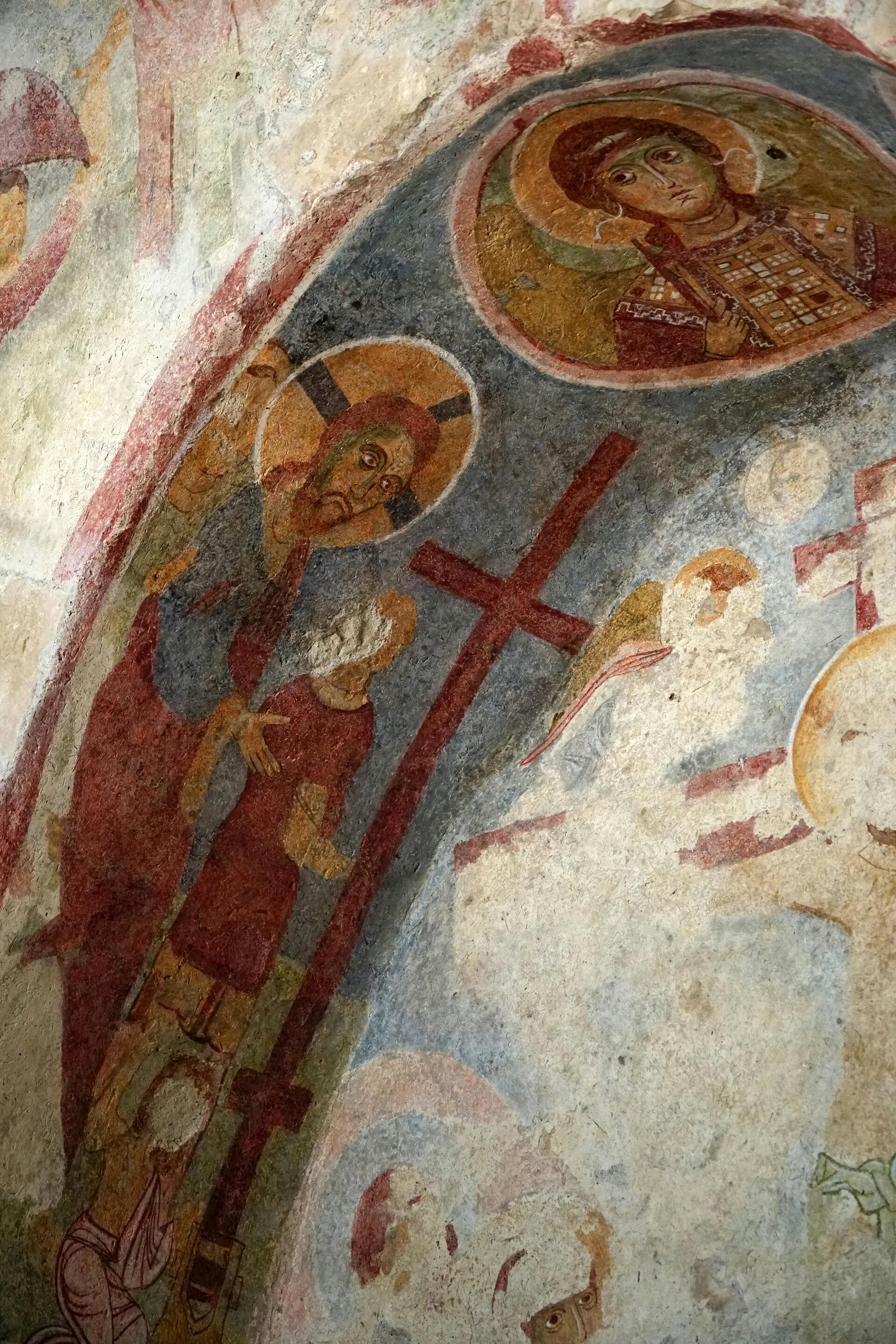
The Good Shepherd
An iconic early Christian motif from the Catacombs of Rome, the Good Shepherd adapts Roman artistic forms to symbolize Christ's protective and nurturing care for his followers. This fresco represents one of the earliest and most enduring visual representations of Jesus in Christian art.

Sarcophagus of Junius Bassus
A celebrated example of 4th-century early Christian relief sculpture. This sarcophagus features detailed scenes from both the Old and New Testaments, providing a rich visual narrative of biblical stories and theological concepts. It stands as a significant artifact showcasing the integration of classical sculpture with Christian themes.
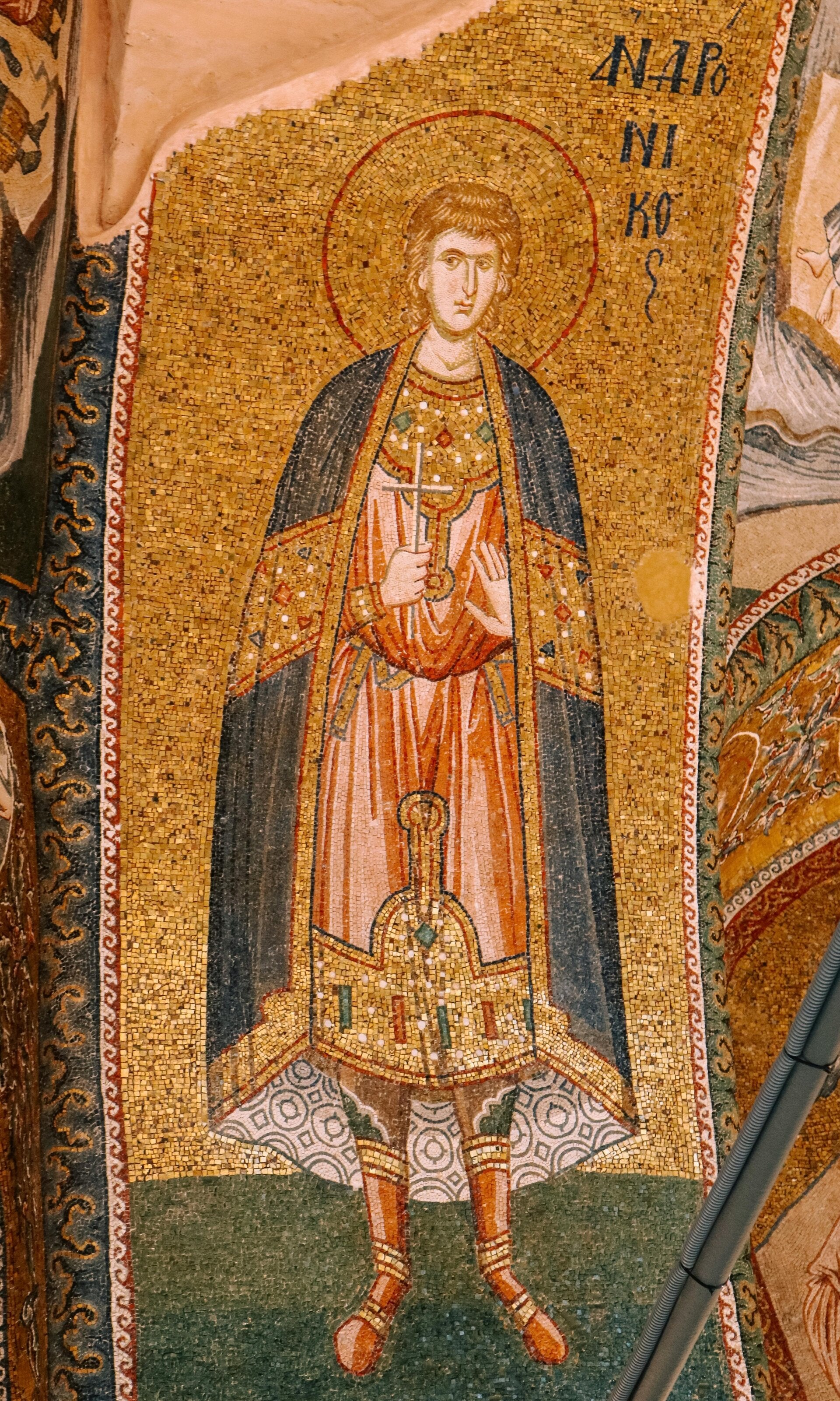
Mosaics of the Basilica of San Vitale
Located in Ravenna, these 6th-century mosaics are renowned for their intricate and vibrant depictions of Emperor Justinian and his court. Exemplifying Byzantine art, these mosaics showcase the era's opulent style and the close intertwining of religious and imperial power.
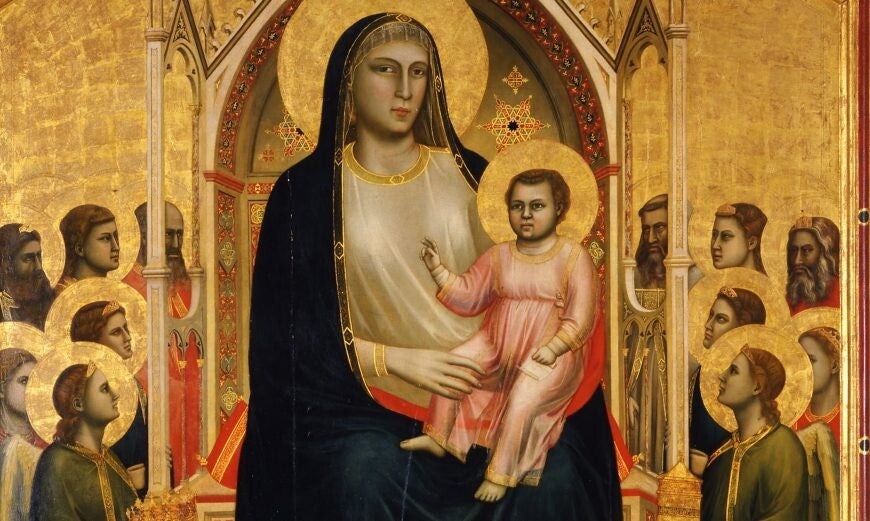
Ognissanti Madonna
Painted around 1310 by Giotto di Bondone, this pivotal work from the Gothic period marked a move toward greater naturalism and human emotion in religious art. The Ognissanti Madonna showcases a more lifelike and relatable portrayal of the Virgin Mary, influencing the course of Western art.
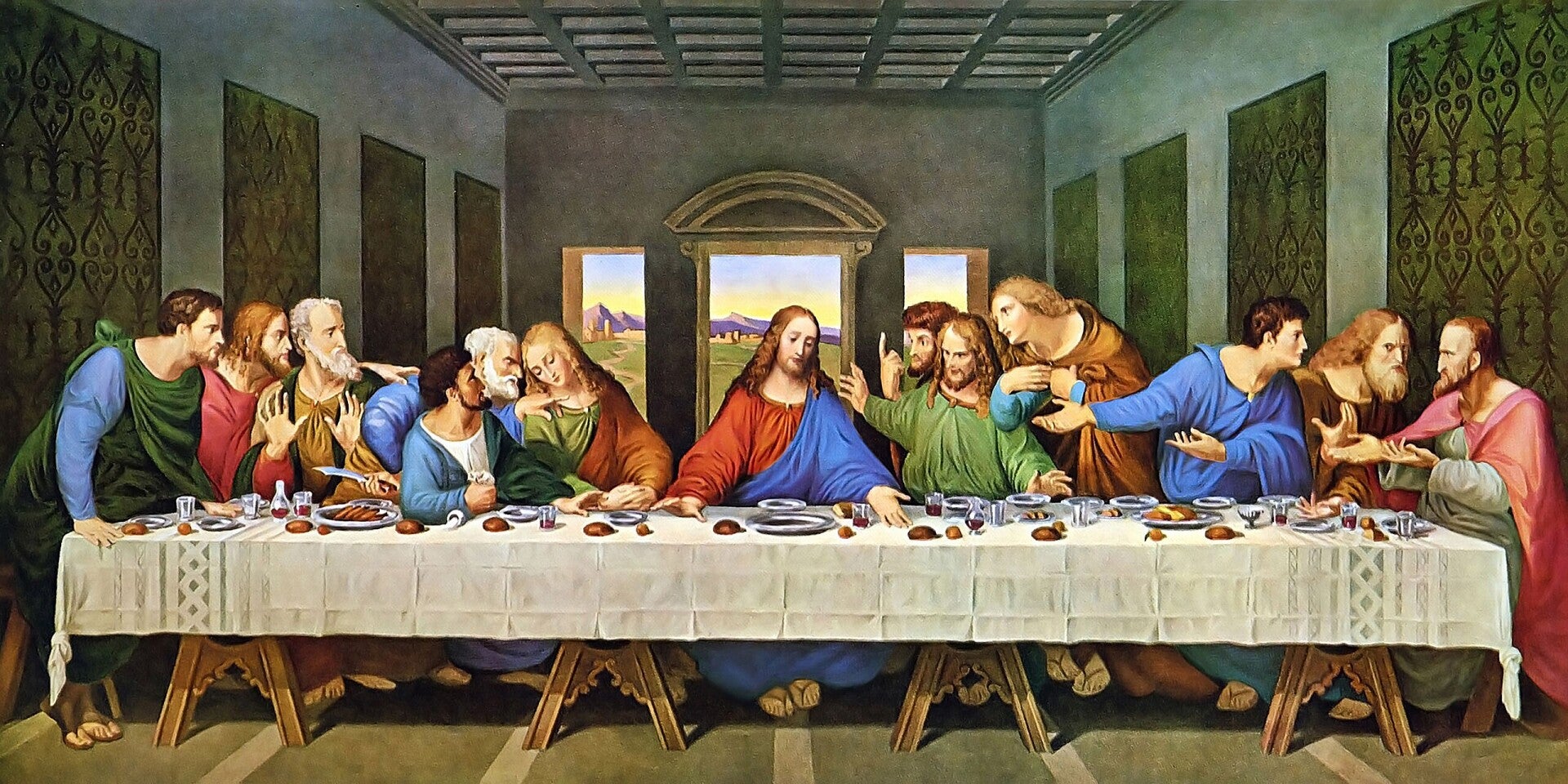
The Last Supper
Leonardo da Vinci's masterpiece, created around 1495-1498, captures the final meal of Jesus with his apostles. This High Renaissance mural is celebrated for its dramatic composition, psychological depth, and geometrical precision, making it one of the most iconic artworks in history.
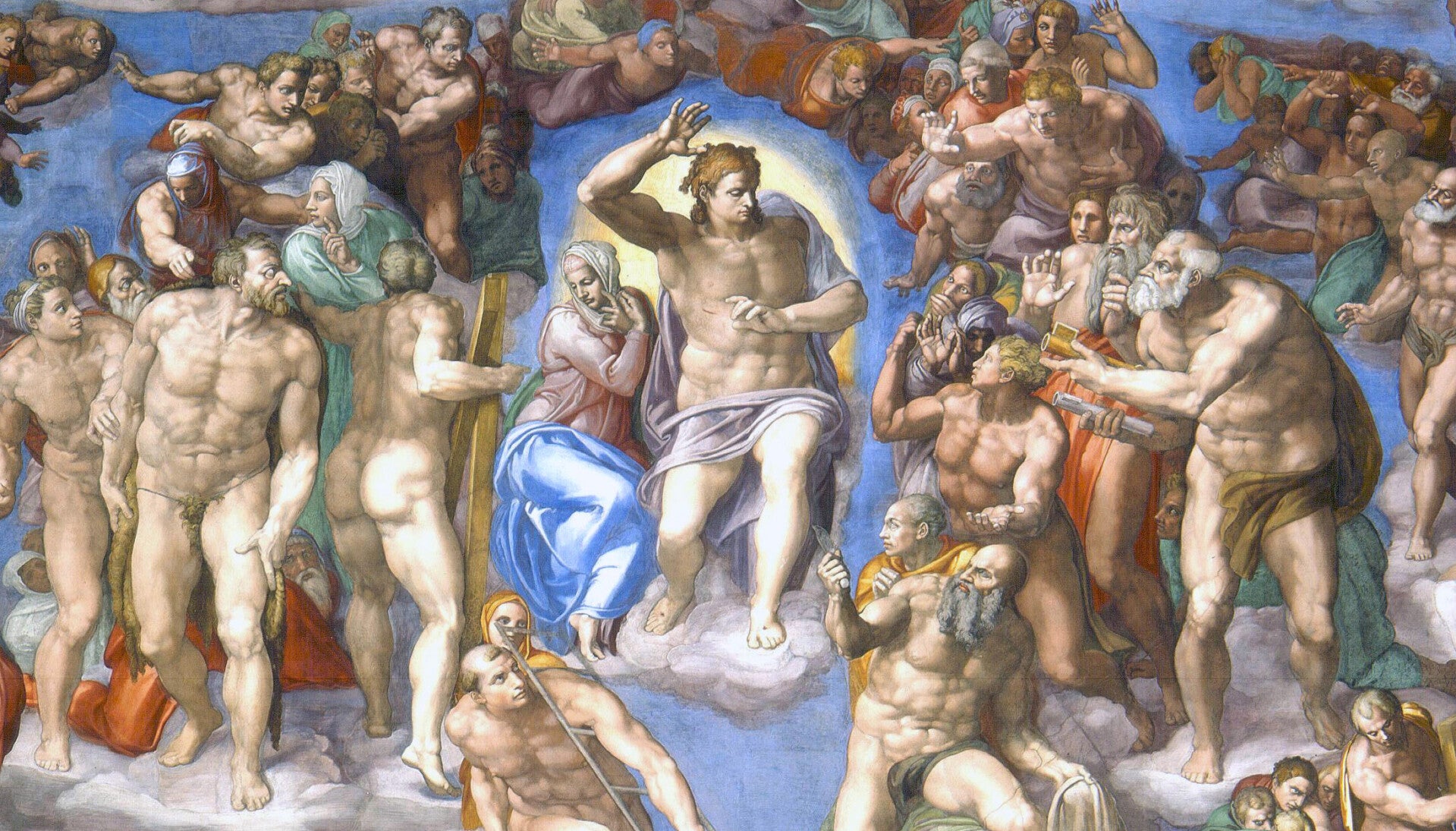
The Last Judgment
Michelangelo's monumental fresco covers the Sistine Chapel's altar wall, created between 1536 and 1541. This artwork showcases the dramatic power of High Renaissance art, depicting the final judgment with a dynamic and emotionally charged scene of salvation and damnation.
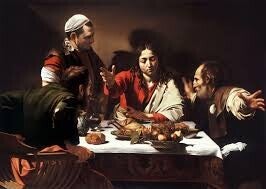
Supper at Emmaus
Painted by Caravaggio in 1601, this Baroque painting is known for its dramatic use of light (chiaroscuro) and shadow, which draws the viewer into the emotional moment of recognition. The Supper at Emmaus captures the instant when the resurrected Jesus reveals himself to his disciples, illustrating a powerful theme of revelation and faith.
Create Your Own Website With Webador